
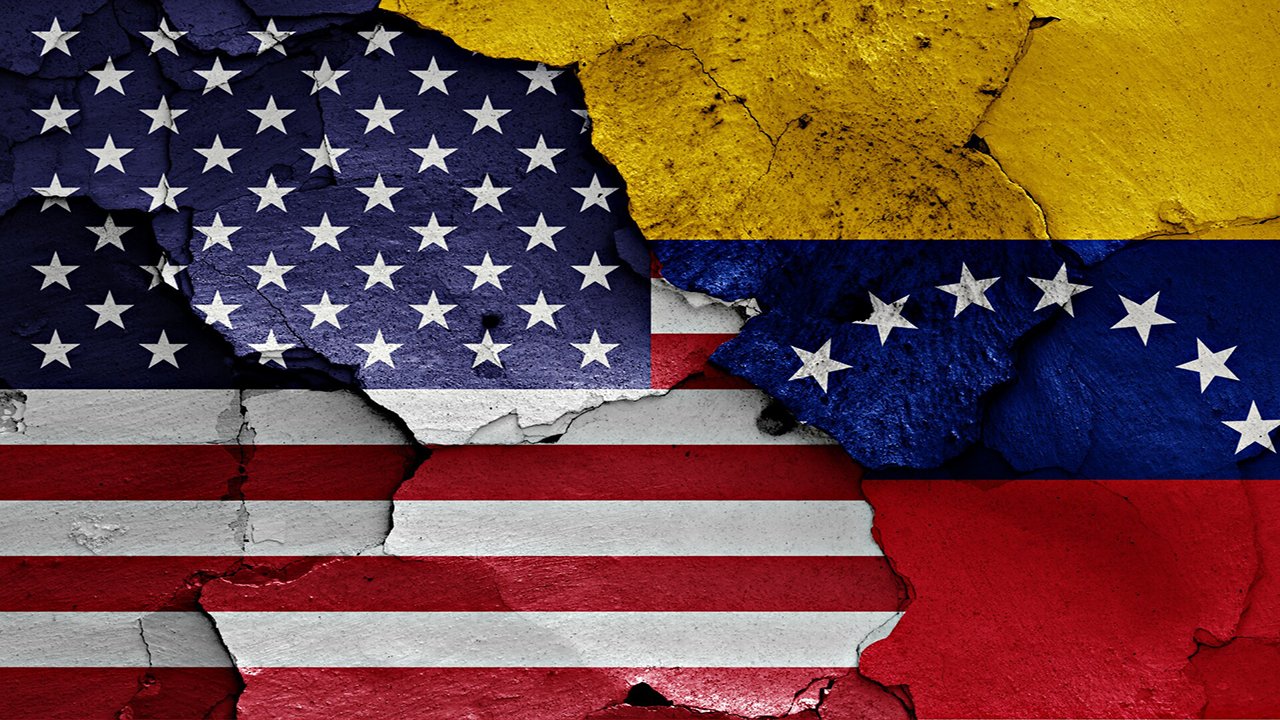
US and Venezuela clash is the latest conflict news which is recently spread all over the world. The long-running conflict between the United States and Venezuela is rooted in a mix of politics, economics, and control over one of the world’s largest oil reserves. While tensions have risen and fallen over the years, relations between the two countries remain strained. At the center of the dispute is Venezuela’s political leadership. The US has strongly opposed the governments of late President Hugo Chávez.
The successor Nicolás Maduro, accusing them of undermining democracy, suppressing opposition voices, and mismanaging the economy. Washington has repeatedly refused to recognize election results it considers unfair and has backed opposition figures. Arguing that Venezuelans deserve free and transparent elections. Venezuela, on the other hand, accuses the US of interfering in its internal affairs. President Maduro’s government claims that American sanctions and political pressure are attempts to weaken the country and force a change in leadership.
Venezuelan officials often describe the conflict as a struggle against foreign intervention and economic warfare. Economic sanctions are a major flashpoint. The US has imposed strict sanctions on Venezuela’s oil industry, government officials, and financial system. These measures aim to pressure the Maduro government but have also contributed to a severe economic crisis. Venezuela has faced shortages of food, medicine, and basic services, forcing millions of citizens to leave the country in search of better living conditions.
Honda HR-V e:HEV Installment Plan Up to 3 Years
Oil plays a critical role in the conflict. Venezuela holds the largest proven oil reserves in the world, and for decades it was a key supplier to the US. Sanctions disrupted this relationship, though recent global energy concerns have led to limited talks about easing restrictions under specific conditions. Geopolitics further complicate the situation. Venezuela has strengthened ties with countries such as Russia, China, and Iran, while the US views these alliances as a challenge to its influence in the region.
Despite occasional diplomatic contacts, trust remains low. While both sides have expressed interest in dialogue at different times, a lasting solution has yet to emerge. For now, the US–Venezuela clash continues to reflect broader struggles over democracy, sovereignty, and power in the global arena.