
Pakistan student launches urdu ChatGPT Pakistan. Pakistan has launched its first homegrown Urdu language AI model, Qalb. In an exciting development for technology enthusiasts and Urdu speakers. A Pakistani student has successfully launched a version of ChatGPT that communicates fluently in Urdu. This innovative AI chatbot allows users to interact, ask questions. And receive responses in their native language, bridging the gap for millions of Urdu-speaking users who previously had limited access to AI tools.
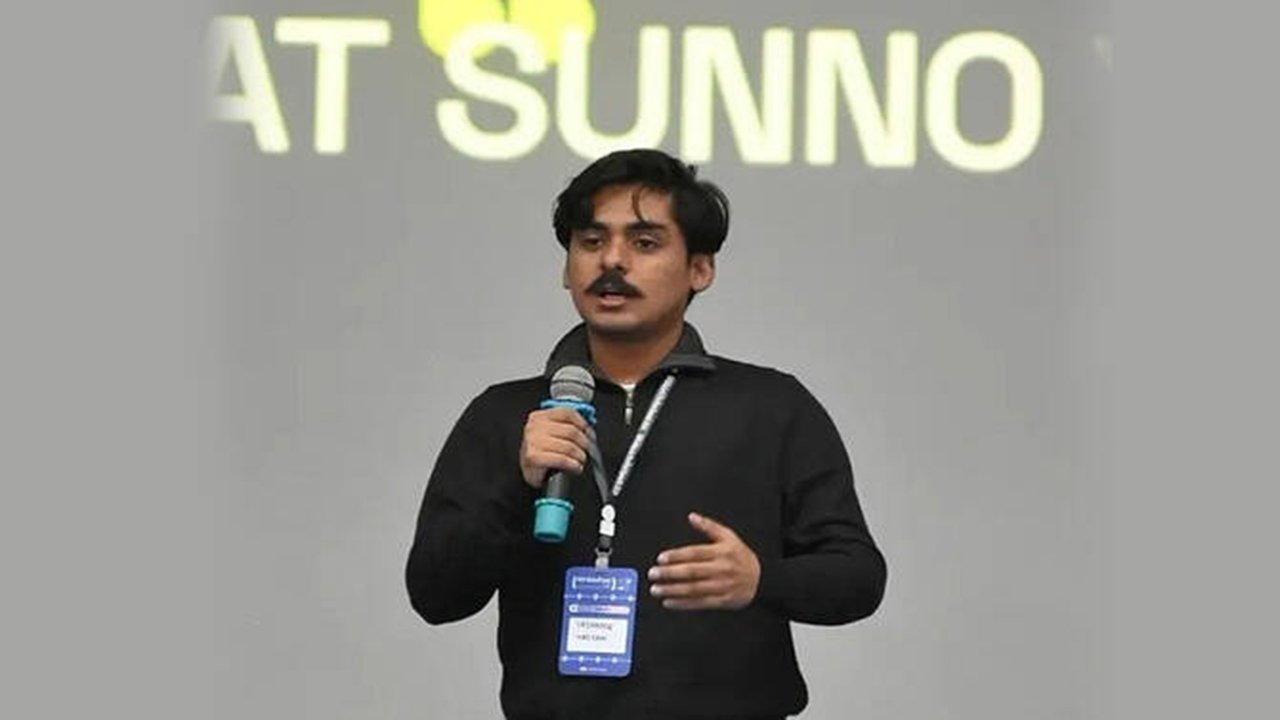
Developed by Taimoor Hassan, a Pakistani student currently studying in the United States. Qalb is being describe as the world’s largest Large Language Model built exclusively for the Urdu language. The model was trained on 1.97 billion tokens and evaluate using more than seven international benchmarking frameworks.
Hassan is a young entrepreneur who has launched and exited 13 startups. He is a former Microsoft Cup winner and has represented Pakistan at several international platforms. He completed his Bachelor’s degree in Computer Science from FAST University. The student, whose work reflects both technological skill and cultural awareness. Emphasized that the goal is to make artificial intelligence more accessible and inclusive. “Many people in Pakistan and across the world are more comfortable using Urdu. I wanted to create an AI that understands and communicates naturally in our language,” they said.
Benefits
Experts believe this development could pave the way for more localized AI solutions, helping students, professionals. And everyday users engage with technology in a language they truly understand. With the increasing role of AI in education, business, and communication. Urdu-speaking communities now have a powerful tool tailored to their needs. The Urdu ChatGPT is expect to gain traction quickly. As it opens doors for learning, content creation, and interactive assistance without the barrier of language. This initiative also highlights the growing contributions of young innovators in Pakistan’s tech landscape.
Hassan said the project was part of a broader mission to contribute to Pakistan’s technological future. He added that he worked closely with his undergraduate teammates Jawad Ahmed and Muhammad Awais. And said the team plans to keep refining localized AI models for niche industries. With more than 230 million Urdu speakers worldwide, Qalb aims to close a long-standing technology gap by enabling advanced AI capabilities in the national language. The model is design to support local businesses, startups, education platforms, digital services, and voice-based AI agents.