
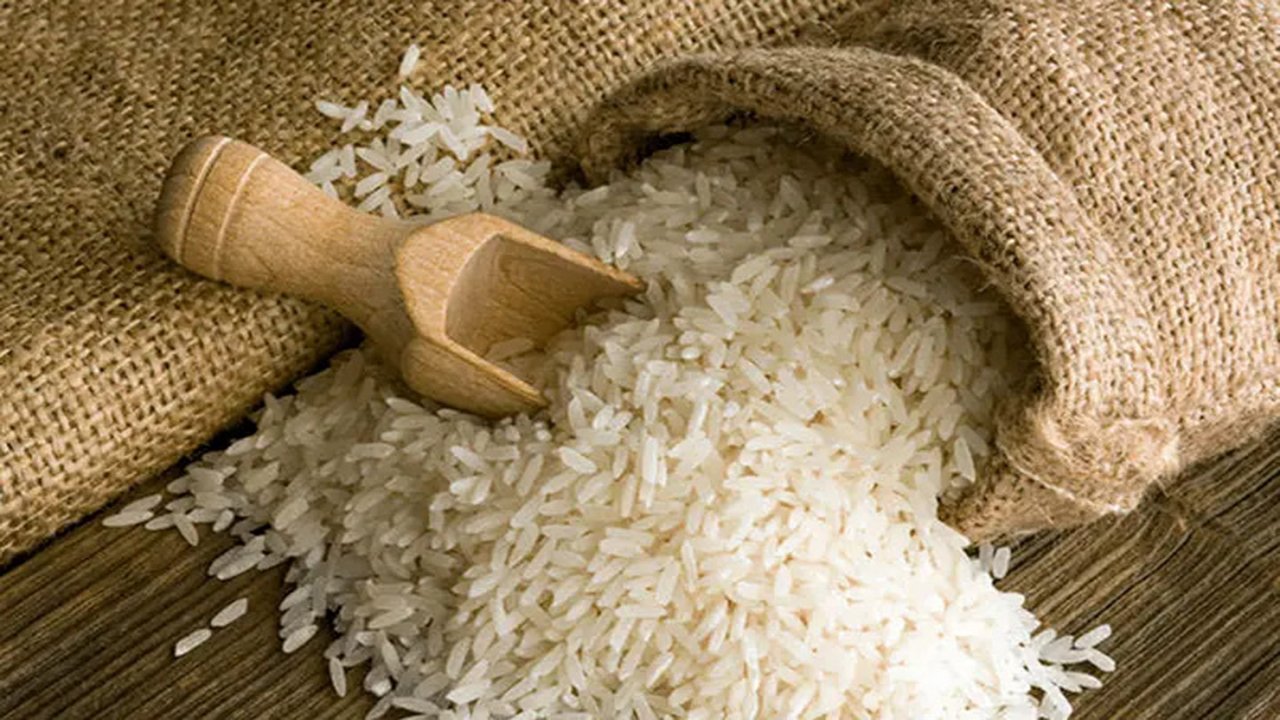
Pakistan become third largest rice exporter at the start of 2026. In terms of agricultural trade, Pakistan has started 2026 on a high note. Surpassing Vietnam in December 2025 to become the world’s third-largest exporter of rice. This accomplishment shows a 14% month-over-month rise in rice exports over November. Indicating a resurgence of the rice industry in Pakistan.
Basmati rice, which saw a remarkable increase in shipments of over 50%, was the main driver of the export boom. Highlighting the high demand for Pakistan’s premium aromatic variety. Pakistan topped the annual global ranking for the month of December with 489,000 tonnes of rice exported overseas. Compared to Vietnam’s exports of roughly 387,000 tonnes. The United Arab Emirates, China, Tanzania, Kenya, and Ivory Coast were among Pakistan’s biggest rice markets. Demonstrating the nation’s extensive export reach throughout the Middle East, Africa, and Asia.
Nonetheless, there are still structural and competitive issues facing the agricultural export industry. These include growing shipping and logistical costs, fierce competition from other significant rice exporters like Thailand and India. And persistent production and policy constraints that may have an impact on long-term export growth. Analysts warn that maintaining this position will need ongoing strategic planning and industry support, despite the strong December performance.
Faysal Bank Rs 200 Million Investment In Currency Exchange Firm
This milestone has been cited by experts and international trade observers, including Gulf News. As an indication of growing trust in Pakistani rice on the global scene. Pakistan’s competitive pricing, superior Basmati rice, and varied market destinations are some of the factors that have contributed to this success. All things considered, Pakistan’s recent performance not only indicates a solid start to the year but also reflects larger initiatives to increase agricultural export capacity. With rice being crucial to boosting foreign exchange earnings and fortifying international trade ties.
The surge in rice exports has also provided a much-needed boost to Pakistan’s foreign exchange reserves at a time when export-led growth remains a key economic priority. Analysts note that agriculture continues to play a vital role in stabilizing the economy, with rice being one of the country’s top export commodities. Experts believe that if current trends continue, Pakistan could further strengthen its position in the global rice market in 2026. However, they caution that challenges such as climate risks, rising input costs, and global market volatility will need careful management.
Overall, Pakistan’s rise to become the world’s third-largest rice exporter marks a positive milestone, highlighting the country’s growing potential in agricultural exports and setting an optimistic tone for the year ahead.